
Luxury Home Construction in Manhasset & Old Westbury: What Sets These Estates Apart?
PUREWAL CONTRACTORS INC • October 19, 2026
Offering valuable insights into the construction industry, featuring expert tips, project showcases, and the latest trends. Providing practical advice for homeowners and builders alike, helping you make informed decisions about renovations and new builds
This is a subtitle for your new post
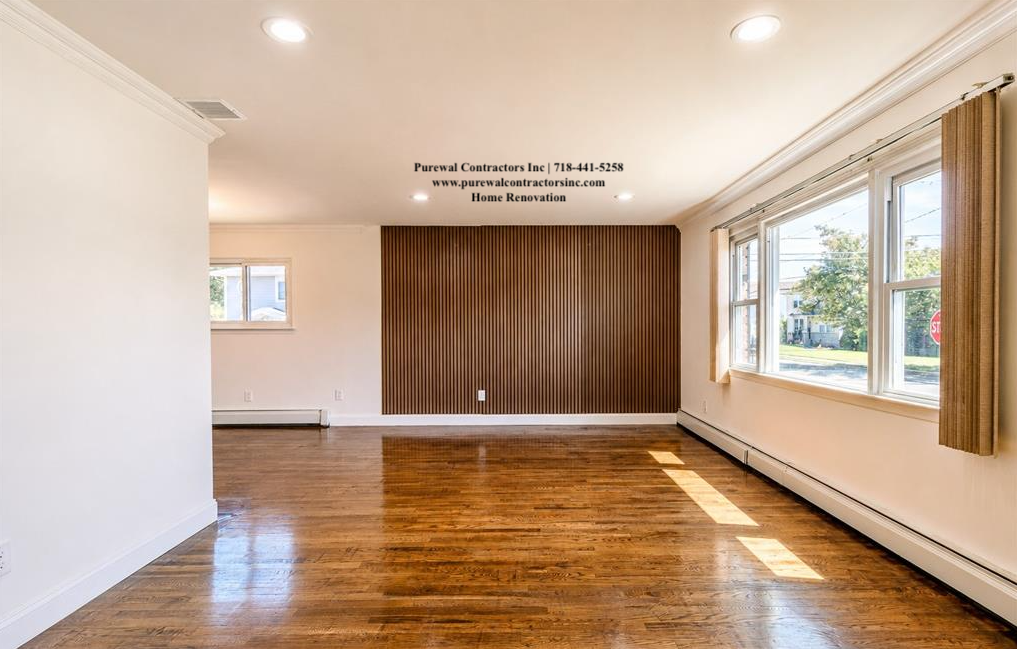
Anyone can build a big house. Building a luxury home that feels right for Manhasset or Old Westbury is harder, and it’s where the best builders separate themselves from the rest. Both communities sit on Long Island’s North Shore, and both attract homeowners who want exceptional quality. But they ask different things of a builder. Here’s what defines high-end construction in each, and what to know before you start.
Manhasset: Refined, Connected, and Detail-Driven
- Manhasset’s appeal is a balance. You get quiet residential streets, access to the water, a walkable village, and an easy commute into the city. Homes here range from classic Colonials and Tudors to newer custom builds, and many projects involve reworking an established house rather than starting from bare ground.
- That shapes the work:
- Fitting the neighborhood. New construction and additions should feel at home on the street while delivering a modern interior: open kitchens, bright living spaces, spacious primary suites, and finished lower levels.
- Working with tighter sites. Lots are smaller than in Old Westbury, so setbacks, drainage, and access for crews and materials need careful planning.
- Water and soil awareness. In areas close to the shoreline, waterproofing and drainage are essential and should be designed in from the start.
Old Westbury: Space, Privacy, and Estate-Scale Planning
- Old Westbury carries the legacy of Long Island’s Gold Coast. Large lots, mature trees, and long private drives set the tone, and the property is part of the architecture. A home is rarely just a house here. It’s a residence, grounds, and often a pool, terrace, guest house, or garage that must all work together.
- That shapes the work:
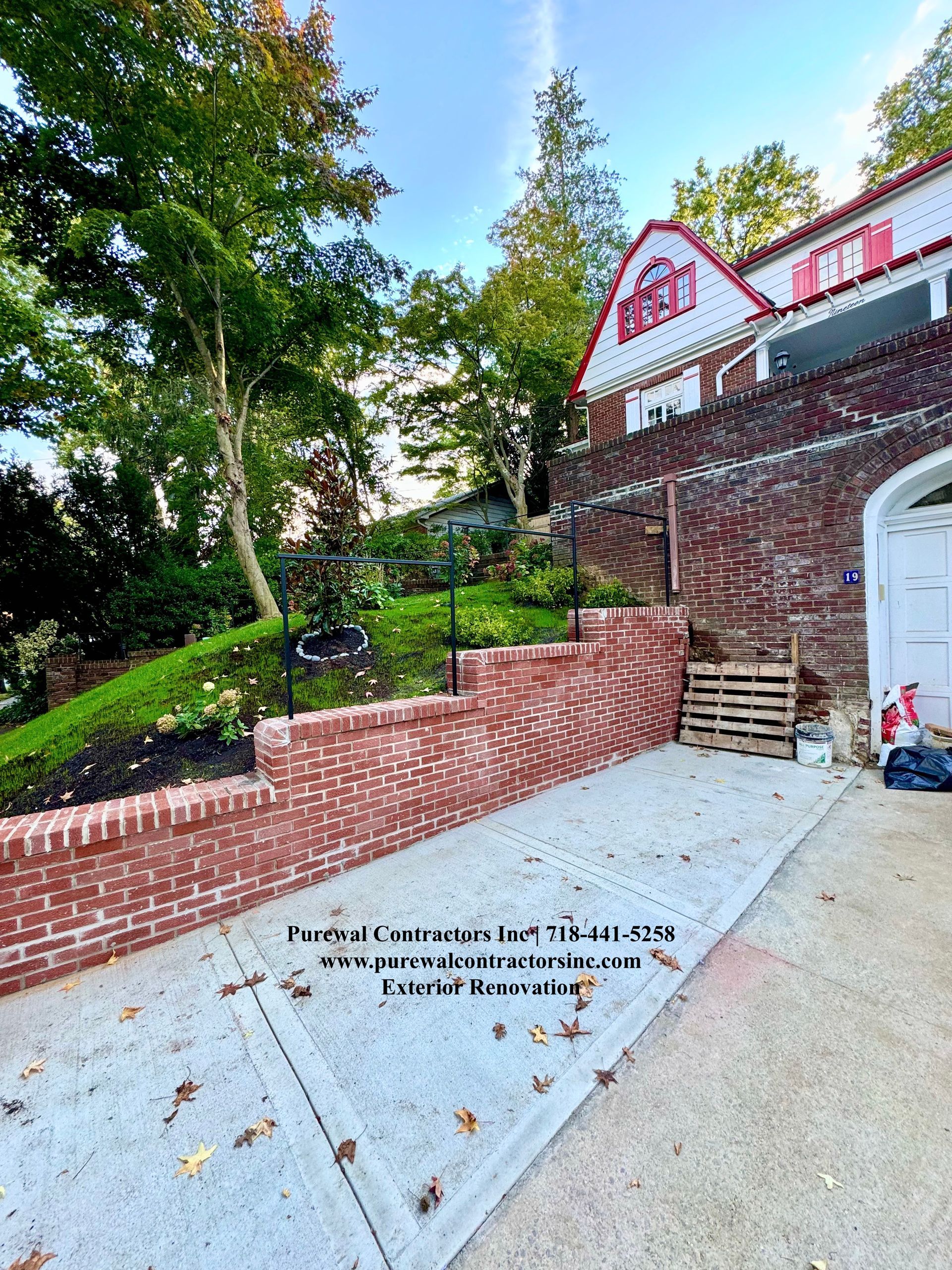
- Site work comes first. Grading, drainage, driveways, retaining walls, and patios are major undertakings that affect the finished result as much as the interior.
- Scale demands coordination. Larger homes mean more trades, longer schedules, and more decisions, so organization matters.
- Architecture with presence. Stone, brick, slate, and cedar are common, along with symmetrical facades and carefully planned views of the landscape.
What Truly Sets These Homes Apart
Regardless of town, luxury construction comes down to a few things.
1. Precision in the details. Tile patterns that line up, millwork with tight joints, consistent reveals, and clean transitions between materials. At this level, small flaws are visible, and good builders treat them as unacceptable.
2. Materials chosen to last. Natural stone, custom cabinetry, high-performance windows, and quality masonry look better and hold up to New York’s freeze-thaw cycles.
3. Strong systems behind the walls. Multi-zone climate control, backup power, quality insulation and air sealing, proper waterproofing, and structured wiring for lighting, security, and networking. These cost far less to include at the start than to add later.
4. Indoor and outdoor spaces designed together. Terraces, outdoor kitchens, pools, and landscaping lighting work best when planned alongside the house, not tacked on afterward.
5. A process you can trust. Luxury projects involve many moving parts. Homeowners tend to be happiest when they have an itemized estimate, one accountable project manager, regular updates, and clear rules for changes.
Don’t Overlook Approvals
Villages and towns on the North Shore can have their own zoning rules, design review processes, and requirements for things like lot coverage, height, tree removal, and drainage. These vary from one municipality to the next and can change, so confirm current rules with the relevant building department early. A contractor experienced in Nassau County can help prepare complete plans and anticipate questions before they slow you down.
Five Questions to Ask Any Builder
- Have you worked with the building department and review boards in my village?
- Can I tour or see photos of finished projects similar to mine?
- Who will be my day-to-day contact on the project?
- How do allowances, selections, and change orders work?
- What warranty and follow-up do you provide?
- Build With a Team That Understands the Details
Purewal Contractors, Inc. has been delivering design-focused construction and renovation across Queens, Brooklyn, and Nassau County for more than two decades. Every project comes with itemized pricing, a dedicated project manager, and a licensed, insured, and bonded team.
Thinking about a build, addition, or major renovation in Manhasset, Old Westbury, or nearby? Call (718) 441-5258 or request a free site visit and estimate.
Have Questions Contact Us
Contact Us
View more
Planning a home renovation, property enlargement, or new construction project in queens and brooklyn, NY? Understanding NYC DEP SD1 and SD2 sewer documentation is an important step in connecting sewer and water to your property
Learn about basement legalization in Queens, NY, including NYC permits, apartment eligibility, ceiling heights, egress, flood safety, and renovation planning.
Looking for estate renovation in Old Brookville, NY? Learn about luxury home remodeling, permits, construction costs, and planning your North Shore Long Island renovation.
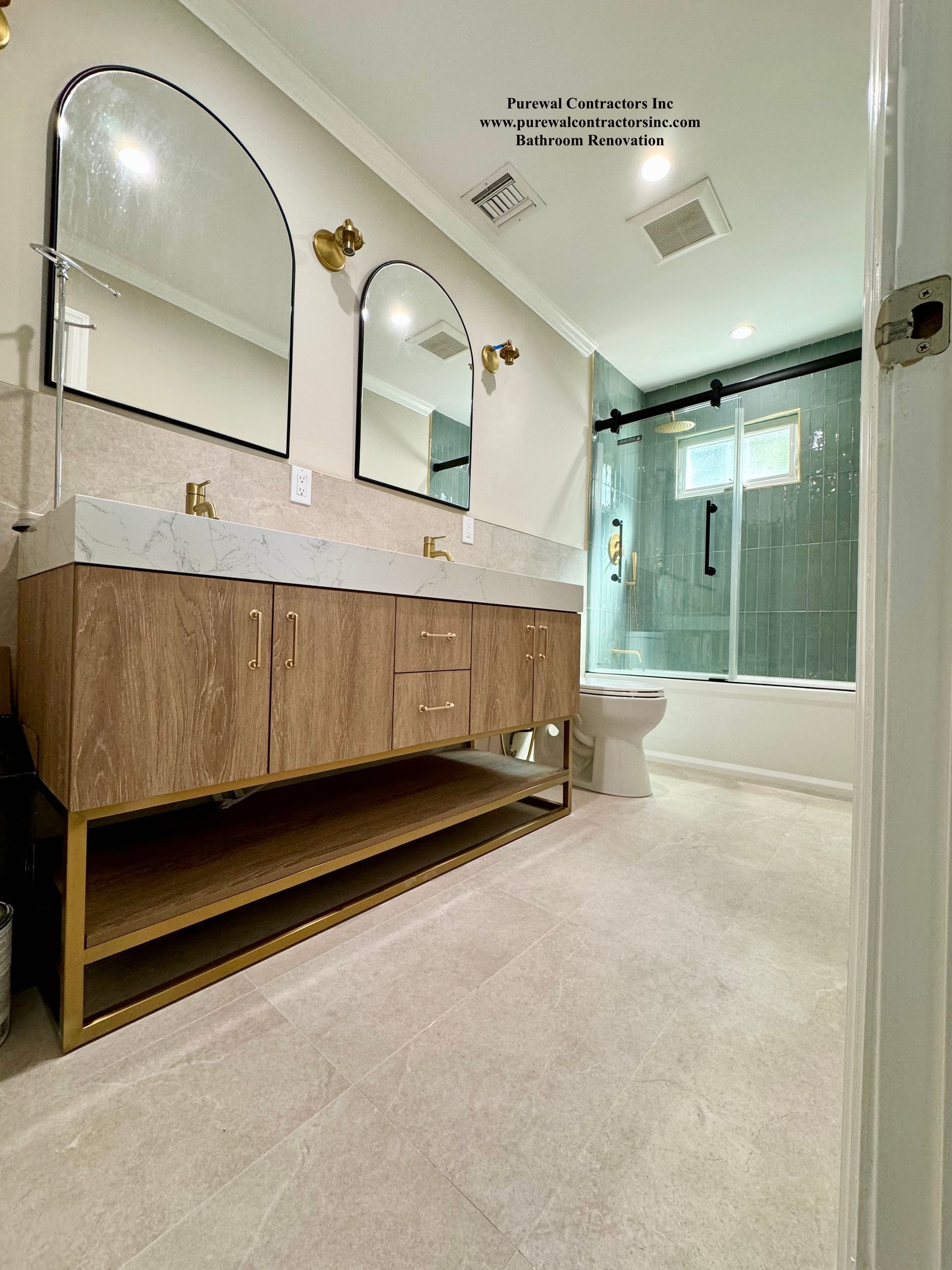
Planning a second floor addition in Bayside or Jamaica Queens? Learn the full NYC DOB approval process, permits, zoning, ALT-1 filings, timelines, and construction requirements for legal home expansions in Queens.
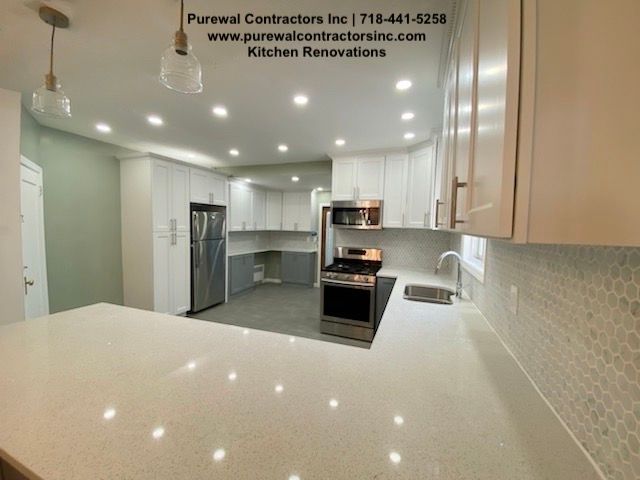
Considering a teardown in Queens? Learn whether rebuilding or renovating is the smarter choice, including zoning, costs, timelines, and expert tips for maximizing your property’s value.
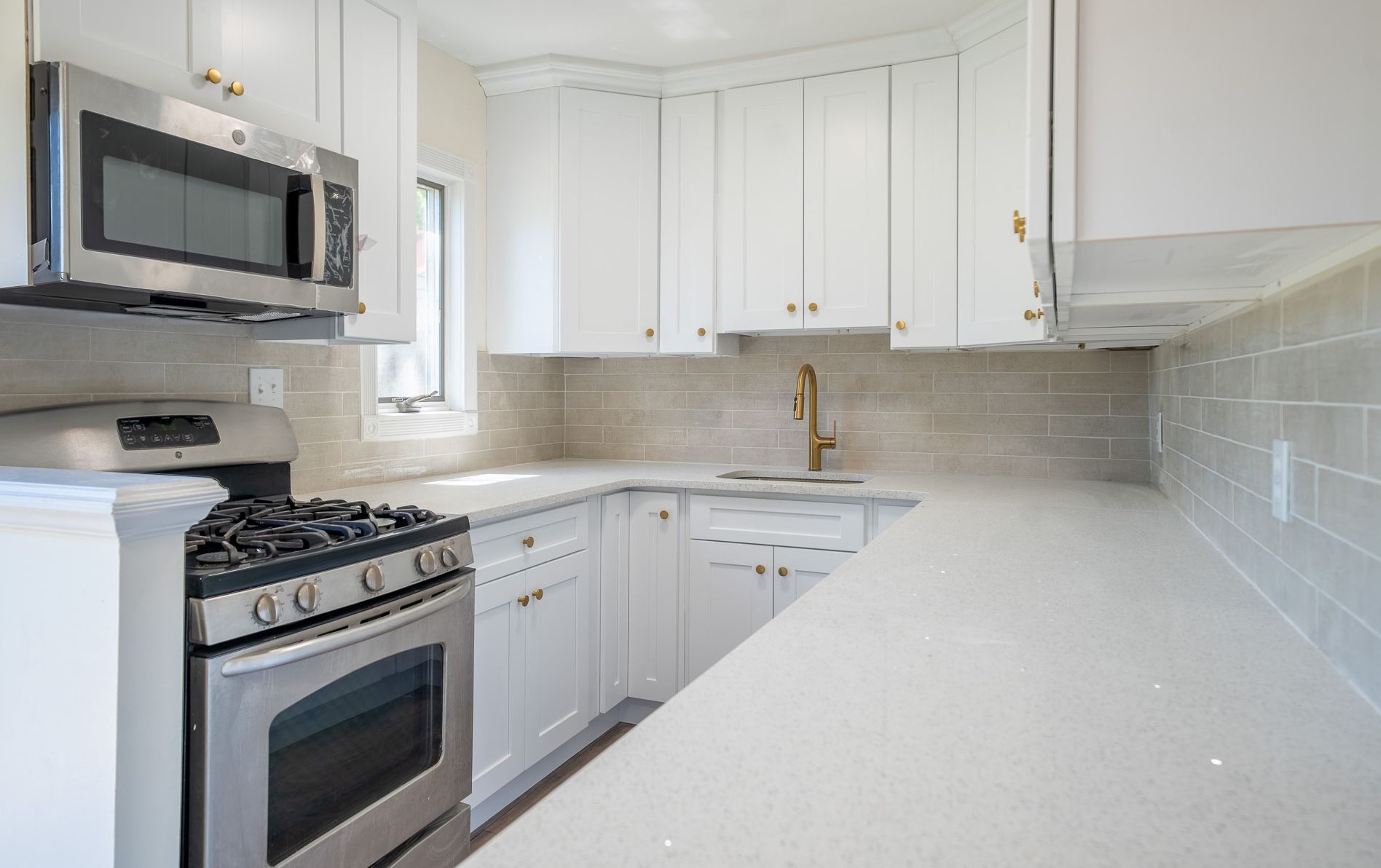
Building a new home is an exciting journey, but one of the first questions most homeowners ask is: how long will it actually take? If you're planning to build in Nassau County, New York, the answer depends on several factors but having a realistic timeline can help you plan with confidence.
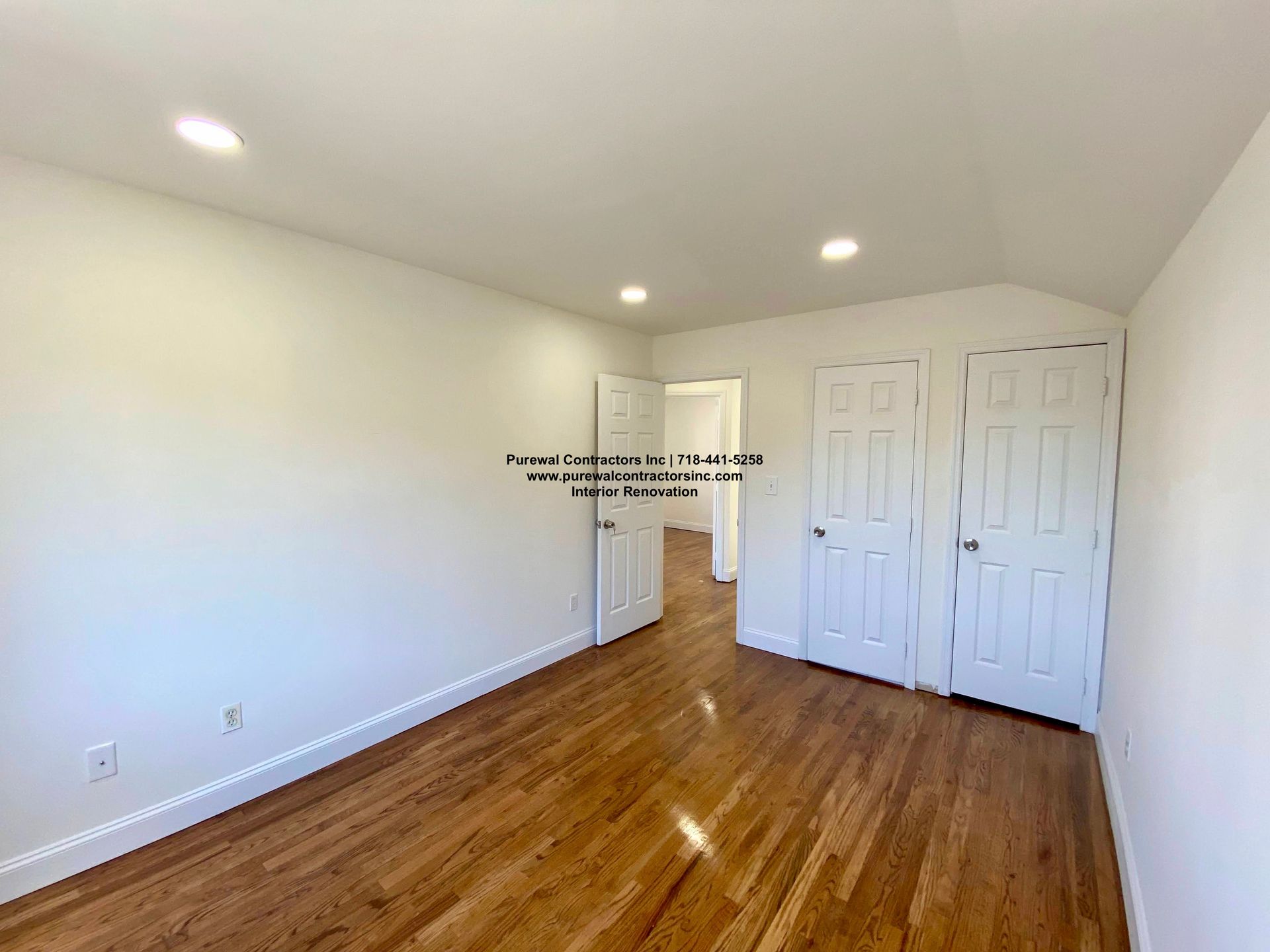
Explore the cost of luxury homes in Queens, NY, including buying prices, custom construction costs, neighborhood variations, and tips for planning your high-end real estate investment.
Upgrade your Queens home with smart technology that increases property value. Discover the best smart home upgrades—security systems, smart thermostats, lighting automation, and energy-efficient improvements to attract buyers and boost resale potential.
What is an Energy Review in NYC DOB? Find out when it’s required, what DOB reviews, and how to avoid delays in permit approval.
Learn how we resolve NYC DOB violations and Stop-Work Orders in Queens to keep construction projects compliant and moving forward.