
Legalizing a Basement in Queens, NY: What Homeowners Need to Know
PUREWAL CONTRACTORS INC • October 12, 2026
Offering valuable insights into the construction industry, featuring expert tips, project showcases, and the latest trends. Providing practical advice for homeowners and builders alike, helping you make informed decisions about renovations and new builds
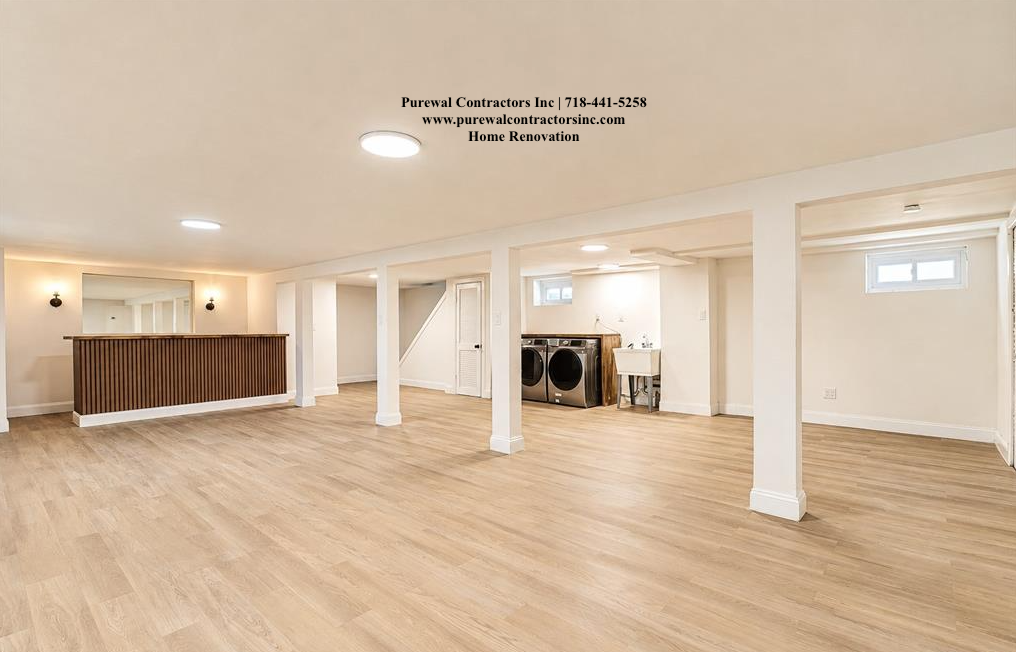
For many homeowners in Queens, New York, a basement represents valuable untapped space. Whether you want to create additional living space for your family, improve your property's functionality, or explore the possibility of a legal basement apartment, understanding New York City's building department regulations is the first step.
However, basement legalization in Queens, NY, involves much more than renovating an existing space. Homeowners must consider zoning regulations, building permits, ceiling heights, emergency exits, ventilation, fire safety, and the property's eligibility for legal residential occupancy.
At Purewal Contractors Inc., we understand that planning a basement renovation starts with understanding the property and the work required. Before investing in construction, homeowners should determine whether their basement can legally be used as living space and what approvals may be necessary.
In this guide, we'll explain what Queens homeowners should know about basement legalization, common requirements, potential challenges, and how to plan a renovation responsibly.
1. Understand the Difference Between a Basement and a Cellar
- One of the first steps in legalizing a basement in Queens is determining how the space is classified under New York City regulations. Although homeowners often use the terms basement and cellar interchangeably, they have different legal meanings.
- Generally, a basement has less than half of its height below the applicable grade plane, while a cellar has at least half of its height below that level. The classification can affect whether the space is eligible for residential use and what rules apply.
- This distinction is especially important if you intend to create a basement apartment in Queens.
- An attractive, finished basement does not automatically qualify as a legal dwelling unit. Even if the space has a bathroom, kitchen, and separate entrance, it must satisfy the applicable building, zoning, and occupancy requirements.
- Before beginning construction, have the property evaluated by a qualified design professional who can determine the space's classification and assess its potential for legal use.
2. Check Whether Your Queens Property Qualifies for Legalization
- Not every basement in Queens can be converted into a legal apartment.
- Eligibility depends on several factors, including the home's existing legal use, zoning district, building configuration, flood risk, and the regulations that apply to the proposed project.
- New York City has established rules for certain ancillary dwelling units (ADUs), including specific provisions for basement and cellar spaces. The city has also created a pilot program intended to help legalize certain existing, previously unpermitted basement and cellar apartments.
- However, these programs have eligibility restrictions, and some properties are excluded.
- For example, the existing-apartment legalization pilot under Local Law 126 of 2024 applies to qualifying units in designated community districts and excludes properties in flood-risk areas. The city has also established separate requirements for creating new ADUs.
- Queens homeowners should not assume that a program applies simply because their property is located in the borough.
- Before planning a basement apartment conversion, review the property's records and consult the NYC Department of Buildings (DOB) and a qualified architect or engineer.
- The first question should always be whether the proposed use is legally permitted for your specific property.
3. Determine Which Permits and Approvals Are Required
- A basement renovation and a basement legalization project are not necessarily the same thing.
- Cosmetic improvements may involve different requirements from work that changes a basement into a separate dwelling unit or alters the building's legal occupancy.
- Depending on the project, homeowners may need architectural or engineering plans, DOB approval, construction permits, inspections, and documentation confirming the completed work.
- Projects involving structural changes, new plumbing, electrical upgrades, or new mechanical systems may require appropriately licensed professionals and trade permits.
- Homeowners should also review the property's existing Certificate of Occupancy, where applicable, and available DOB records to understand its authorized use and identify any unresolved violations.
- If a project changes the building's approved occupancy or creates an additional dwelling unit, further documentation may be necessary.
- Taking care of these requirements before construction begins can help reduce delays, unexpected expenses, and potential compliance problems.
4. Review Ceiling Height, Light, and Ventilation Requirements
- One of the most common challenges in a Queens basement renovation is meeting the physical requirements for legal residential use.
- Older homes may have low ceilings, small windows, limited natural light, or inadequate ventilation. These conditions can make it difficult or expensive to convert an existing basement into an approved living space.
- Depending on the applicable code and the type of project, important considerations may include:
- Ceiling height: The space must meet the applicable minimum height requirements.
- Natural light: Required rooms must satisfy relevant light and window provisions.
- Ventilation: Appropriate ventilation must be provided for habitable rooms and other spaces as required.
- Moisture control: Water intrusion and dampness should be addressed before interior finishes are installed.
- Room dimensions: Sleeping and living areas must comply with applicable size and layout requirements.
- Homeowners should avoid assuming that adding drywall, flooring, recessed lighting, or larger windows will automatically make a basement legal.
- Have the existing conditions measured and reviewed before finalizing the renovation design. In some properties, structural or excavation work may be necessary, and such work requires careful evaluation and appropriate approvals.
5. Make Emergency Exits and Fire Safety a Priority
- Safety is one of the most important considerations when legalizing a basement apartment in Queens.
- Below-grade living spaces can present additional risks because occupants may have limited ways to escape during a fire or other emergency.
- Depending on the building and the applicable requirements, a compliant project may need appropriate emergency egress, smoke and carbon monoxide alarms, fire separation, and other fire-protection measures.
- New York City's requirements for basement and cellar ancillary dwelling units can also include sprinkler systems, water sensors, and additional safeguards.
- The exact requirements depend on the property's classification and the regulations applicable to the project.
- Homeowners should have emergency exit arrangements and fire-safety measures reviewed during the design stage rather than waiting until construction is underway.
- These features are not simply finishing details. They are essential parts of creating a safe living environment.
6. Address Flooding, Drainage, and Water Intrusion
- Water management is particularly important for basement renovation projects throughout Queens.
- Heavy rainfall, groundwater conditions, poor exterior grading, foundation cracks, and plumbing leaks can all contribute to moisture problems.
- Before finishing a basement, homeowners should investigate the cause of any existing water intrusion and determine whether improvements to drainage or waterproofing are necessary.
- Depending on the property, recommended work may include:
- Repairing foundation cracks and addressing water entry
- Improving exterior grading and drainage
- Evaluating sump pumps and other water-management systems
- Repairing damaged plumbing
- Installing appropriate moisture-resistant materials
- Reviewing applicable flood-risk restrictions
- Flood risk is especially important when considering a legal basement apartment or basement ADU. Certain subgrade dwelling units are prohibited in designated flood-risk areas under NYC's current rules.
- A finished interior cannot compensate for unresolved water problems or make an otherwise ineligible property eligible for legalization.
- Addressing these concerns early helps protect the renovation investment and supports a healthier indoor environment.
7. Understand the Rules for Renting a Basement Apartment
- Some Queens homeowners hope to legalize their basements so they can generate rental income. However, the rules for occupying a basement as part of a household are not necessarily the same as the rules for renting it as a separate apartment.
- A legal rental unit must satisfy the requirements applicable to its building type, location, occupancy, and approved use.
- For example, NYC's Housing Maintenance Code contains specific restrictions on basement occupancy in one- and two-family homes. Cellars in these homes generally cannot be legally rented as living accommodations under the standard rules, although separate statutory provisions now provide pathways for certain eligible ancillary dwelling units and existing apartments.
- The city's newer ADU regulations and existing-apartment legalization pilot may provide options for qualifying properties, but neither should be treated as automatic approval for every basement.
- Before advertising or renting a basement apartment, homeowners should confirm that the unit has the necessary legal authorization and that the property's records reflect the permitted occupancy.
- Attempting to rent an unauthorized apartment can expose owners to violations, enforcement actions, and potential vacate orders.
- If rental income is your goal, make legal eligibility the starting point of your planning process.
8. Budget for the Full Cost of Basement Legalization
- The cost of legalizing a basement in Queens varies significantly from property to property.
- A space that requires only limited improvements may involve a very different budget from one that needs structural modifications, waterproofing, new exits, plumbing, electrical work, or major fire-safety upgrades.
- Before committing to construction, homeowners should consider the potential costs of:
- Architectural and engineering services
- Permit applications and applicable filing fees
- Structural repairs and modifications
- Waterproofing and drainage improvements
- Plumbing, electrical, and ventilation upgrades
- Fire protection and emergency egress
- Interior finishes, flooring, and lighting
- Required inspections and project closeout
- It is also wise to reserve funds for concealed conditions that may be discovered after work begins.
- A reliable estimate should be based on the property's actual condition, the intended use of the basement, and the work required to meet the applicable requirements.
9. Understand the City's Basement Apartment Legalization Pilot
- New York City's approach to basement apartments has evolved in recent years.
- Local Law 126 of 2024 established a pilot framework intended to help certain existing, unlawfully occupied basement and cellar apartments in designated areas transition toward legal status through a phased compliance process.
- Eligibility is limited. Among other conditions, the existing apartment generally must have been in place before April 20, 2024, be located within an eligible program area, and satisfy applicable safety and other requirements. Flood-risk restrictions also apply.
- The city has published program information and proposed rules, but the availability of the program and the application requirements must be verified against the latest Department of Buildings guidance.
- Queens includes multiple community districts, and location within the borough alone does not establish eligibility.
- Homeowners should check the current program status, verify their community district, and obtain a property-specific assessment before relying on this pathway.
- For official information, visit the NYC Department of Buildings' Ancillary Dwelling Units page and its ADU frequently asked questions.
Planning to Legalize a Basement in Queens, NY?
- If you own a home in Queens and are considering basement legalization, do not begin major construction before understanding the applicable requirements.
- A well-planned project starts with determining whether the space can legally be used for your intended purpose, identifying necessary approvals, and establishing a realistic construction plan.
- Contact Purewal Contractors Inc. to discuss your basement renovation goals and plan the next steps for your property.
- With the right preparation and professional guidance, you can make better-informed decisions about improving your basement while prioritizing safety, compliance, and long-term value.
Have Questions Contact Us
Contact Us
View more
What separates luxury homes in Manhasset and Old Westbury from the rest? Learn how site, craftsmanship, and planning shape high-end construction on Long Island’s North Shore.
Planning a home renovation, property enlargement, or new construction project in queens and brooklyn, NY? Understanding NYC DEP SD1 and SD2 sewer documentation is an important step in connecting sewer and water to your property
Looking for estate renovation in Old Brookville, NY? Learn about luxury home remodeling, permits, construction costs, and planning your North Shore Long Island renovation.
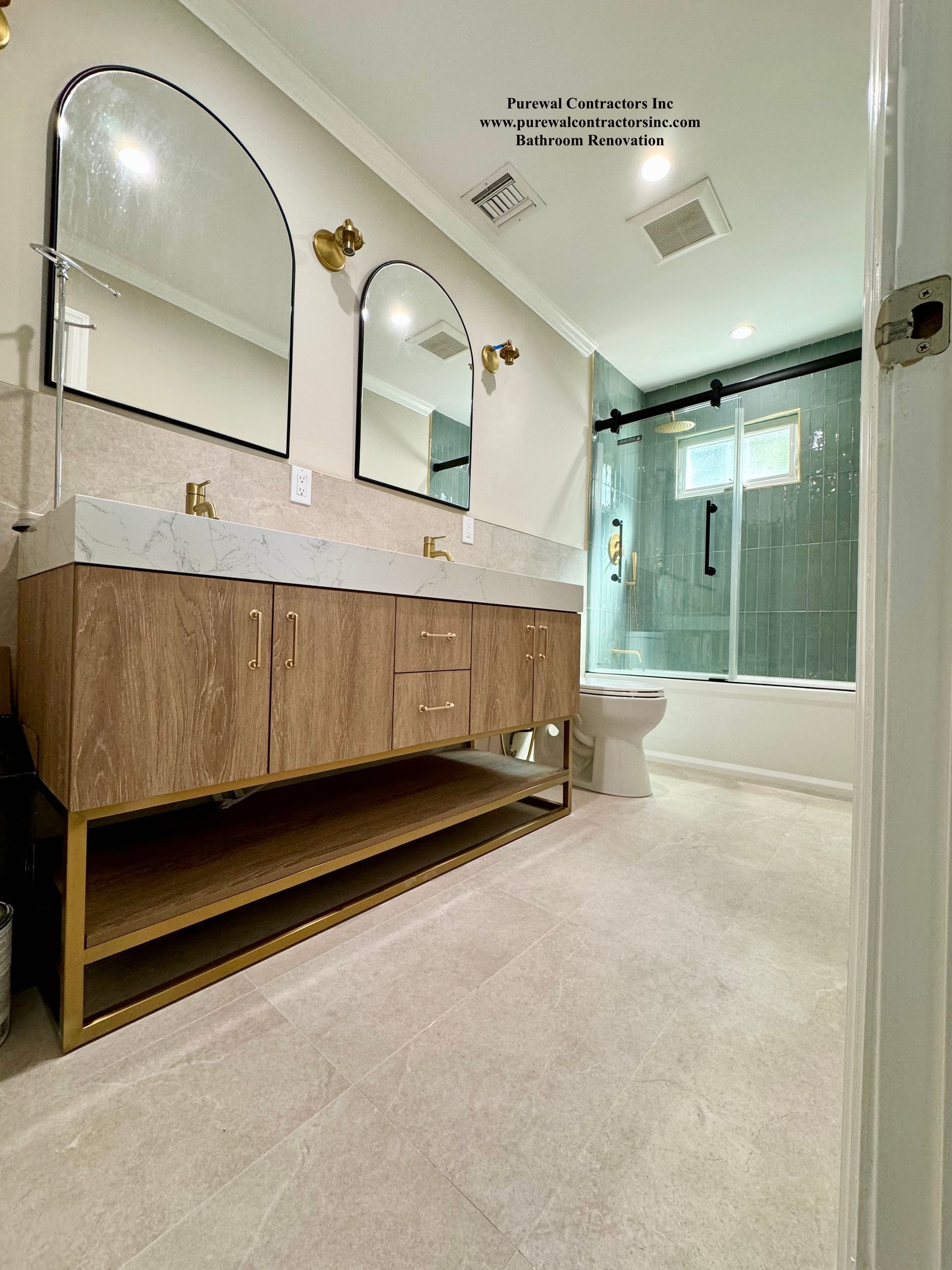
Planning a second floor addition in Bayside or Jamaica Queens? Learn the full NYC DOB approval process, permits, zoning, ALT-1 filings, timelines, and construction requirements for legal home expansions in Queens.
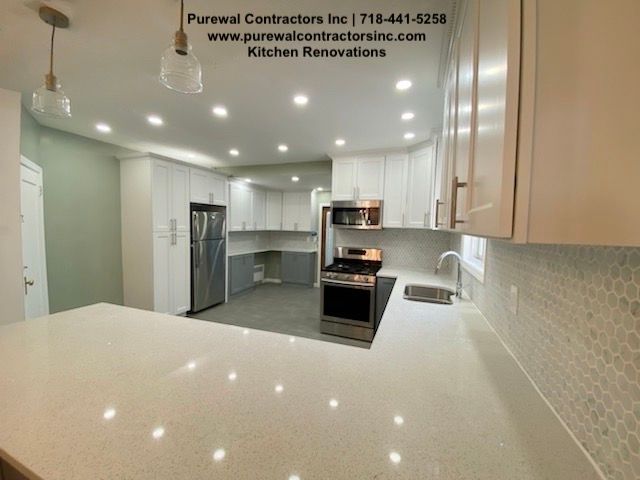
Considering a teardown in Queens? Learn whether rebuilding or renovating is the smarter choice, including zoning, costs, timelines, and expert tips for maximizing your property’s value.
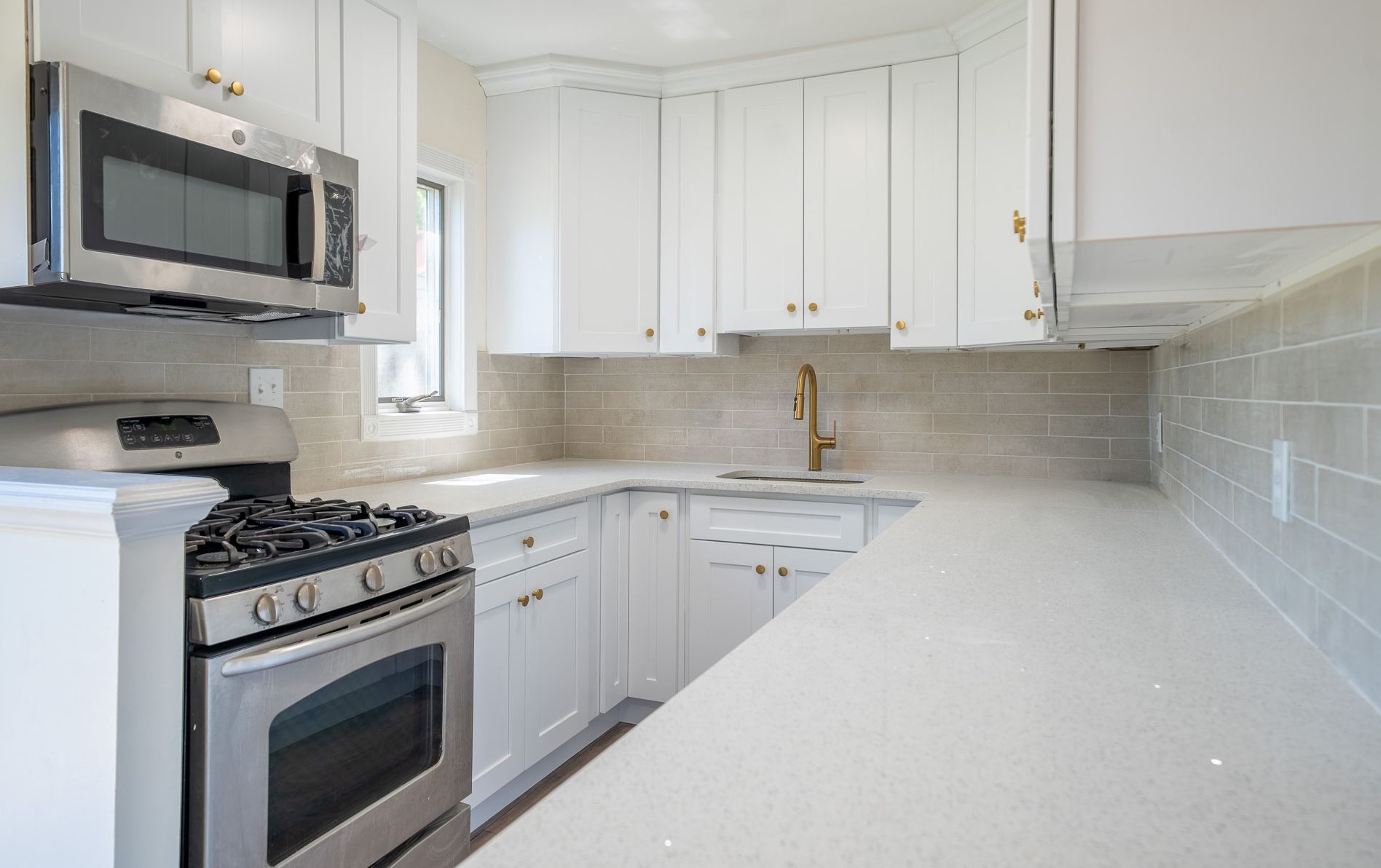
Building a new home is an exciting journey, but one of the first questions most homeowners ask is: how long will it actually take? If you're planning to build in Nassau County, New York, the answer depends on several factors but having a realistic timeline can help you plan with confidence.
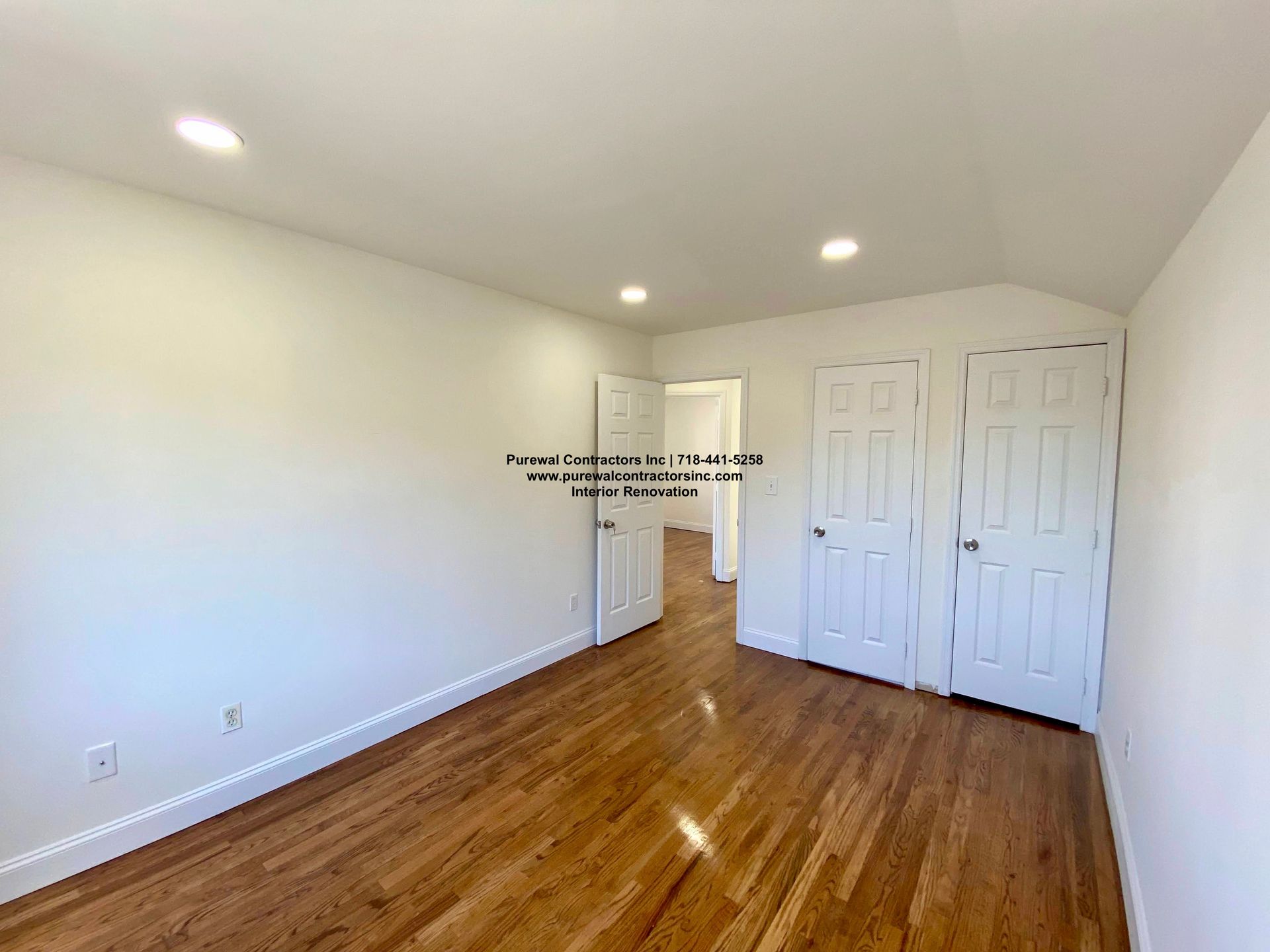
Explore the cost of luxury homes in Queens, NY, including buying prices, custom construction costs, neighborhood variations, and tips for planning your high-end real estate investment.
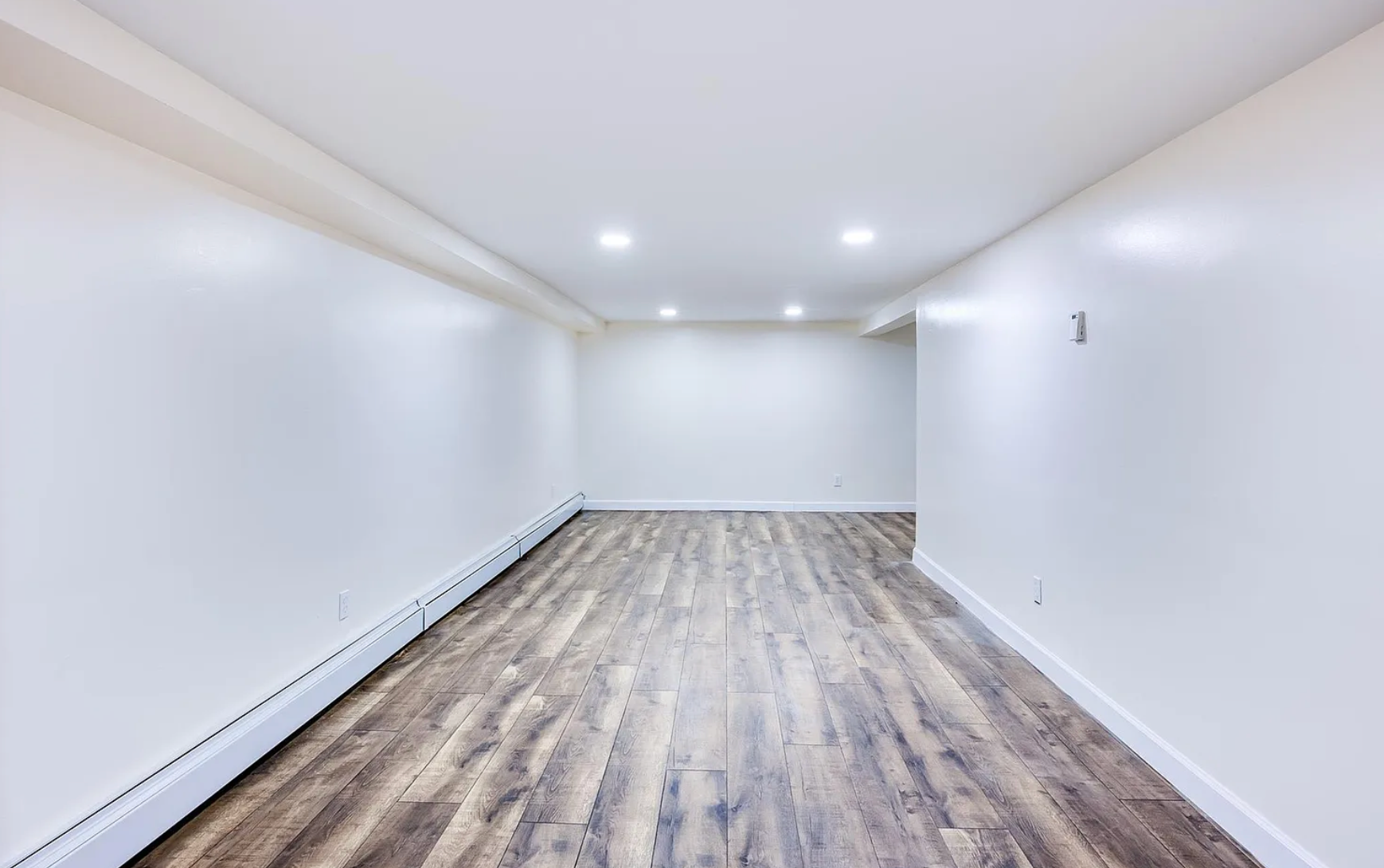
Upgrade your Queens home with smart technology that increases property value. Discover the best smart home upgrades—security systems, smart thermostats, lighting automation, and energy-efficient improvements to attract buyers and boost resale potential.
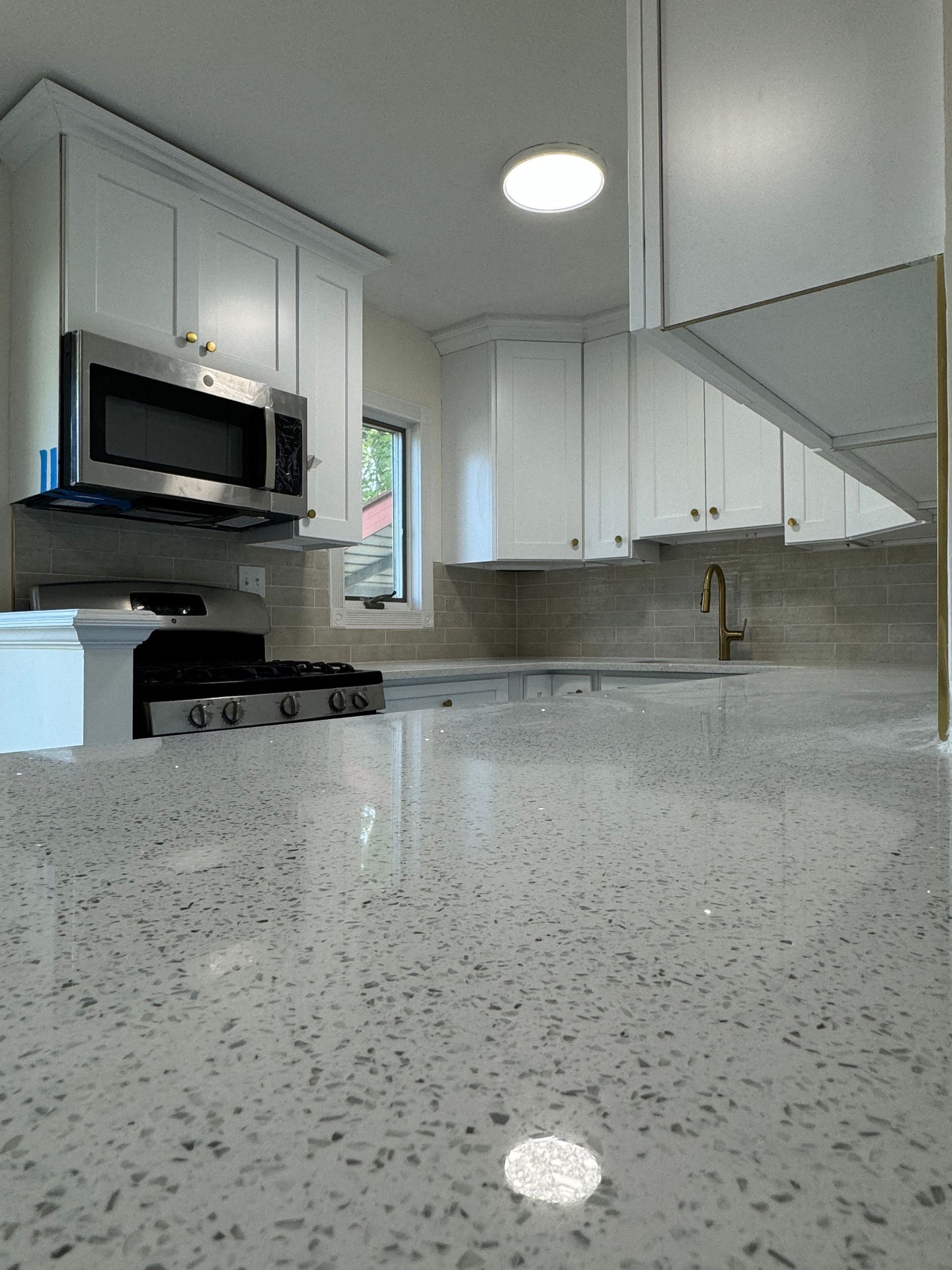
What is an Energy Review in NYC DOB? Find out when it’s required, what DOB reviews, and how to avoid delays in permit approval.
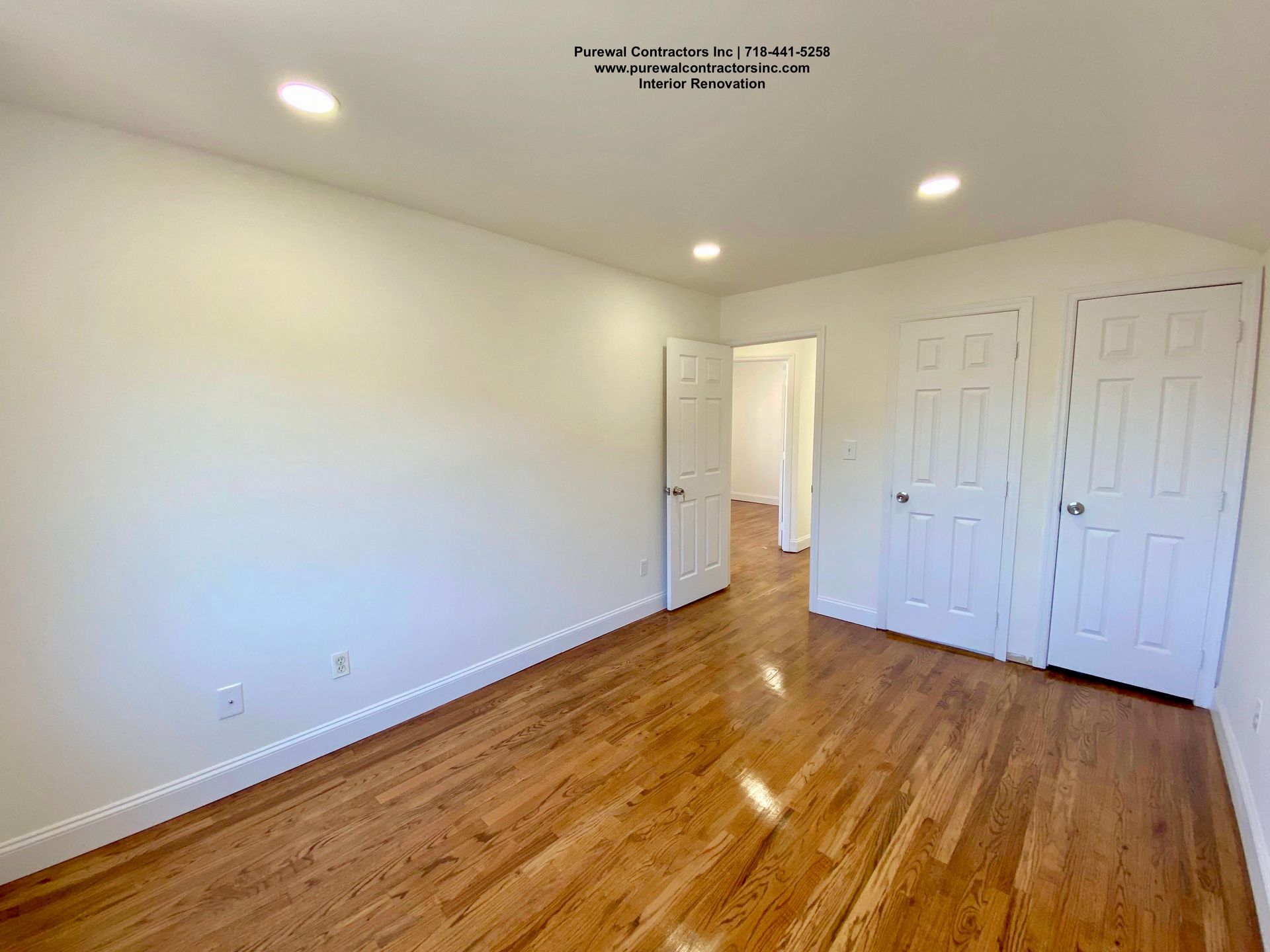
Learn how we resolve NYC DOB violations and Stop-Work Orders in Queens to keep construction projects compliant and moving forward.